


Home Politics
Category:

Politics

Advertorial

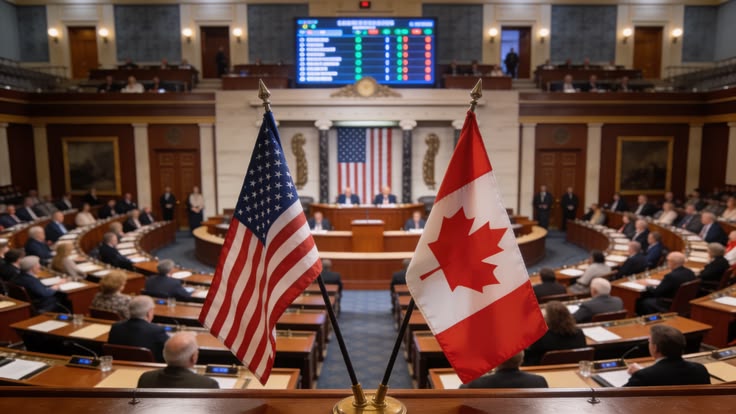
OTTAWA — Leaders of Canada’s main opposition parties convened this week to discuss strategies for improving the national healthcare system, focusing on accessibility, quality of care, and long-term sustainability. The discussions, held in Ottawa, included representatives from provincial governments, healthcare organizations, and policy experts.

Opposition leaders highlighted the importance of collaborative planning between federal and provincial authorities to address challenges such as hospital wait times, rural healthcare access, mental health services, and long-term care. “Our goal is to ensure that every Canadian, regardless of where they live, has access to timely, high-quality healthcare,” said one opposition leader during the session.

The discussions focused on several key areas:
Pages: 1 2

Advertorial

The Canadian Parliament has approved a set of measures designed to support small businesses across the country, reflecting ongoing efforts to foster economic growth, employment, and innovation. The legislation, passed with broad support, aims to provide financial assistance, regulatory relief, and technical guidance to small and medium-sized enterprises (SMEs).

Finance Minister Chrystia Freeland described the package as a comprehensive approach to strengthen the backbone of the Canadian economy. “Small businesses are vital to our communities, our economy, and our future,” she said. “These measures are designed to help entrepreneurs thrive while ensuring sustainable and inclusive growth.”

The program includes direct financial support in the form of grants and low-interest loans to businesses affected by recent economic fluctuations. Eligible businesses include those in manufacturing, technology, retail, and service sectors. The government intends for these funds to assist companies with operational costs, workforce development, and investments in modernization.

Regulatory relief is another central element. The legislation simplifies administrative processes for small businesses, reducing paperwork and easing compliance burdens. Streamlined reporting, digital submission options, and consolidated licensing procedures are intended to lower operational costs and enable business owners to focus on growth and innovation.

Technical assistance and advisory services are also part of the initiative. SMEs can access guidance on business planning, digital transformation, export strategies, and sustainable practices. The government highlighted that equipping businesses with knowledge and tools is critical for long-term competitiveness.

Provincial governments have expressed support for the measures, indicating that federal coordination helps ensure consistency and effectiveness. Municipalities are encouraged to identify local priorities and align funding with regional economic needs. Economic analysts suggested that integrated federal-provincial approaches maximize the impact of policy interventions.

Industry associations welcomed the legislation, noting that predictable support and clear guidelines help businesses plan for the future. Entrepreneurs emphasized the importance of accessible programs, particularly for startups and companies in emerging sectors. Officials acknowledged these concerns and indicated ongoing consultations to refine program delivery.

Small businesses are also expected to benefit from initiatives aimed at workforce development. Funding for employee training, skills enhancement, and professional certifications is included in the measures, helping companies adapt to changing market demands and technological advancements.

Pages: 1 2

Advertorial

Canada has announced a series of diplomatic initiatives aimed at strengthening relationships with Pacific nations, highlighting the country’s commitment to international cooperation, trade development, and regional stability. These initiatives were outlined by Global Affairs Canada and discussed by Prime Minister Justin Trudeau during meetings with foreign representatives at the annual Pacific Dialogue Forum.

According to government officials, the initiatives include enhanced trade agreements, increased development aid, joint environmental programs, and educational exchange opportunities. The goal is to deepen Canada’s engagement with countries such as Australia, New Zealand, Fiji, and several Southeast Asian Pacific island nations.

“The Pacific region plays a crucial role in global trade, environmental stewardship, and geopolitical stability,” the Prime Minister said during the announcement. “By strengthening our diplomatic relationships, Canada not only supports these nations but also ensures our own economic and strategic interests are safeguarded.”

One key component of the initiative involves trade and investment collaboration. Officials stated that Canada will focus on facilitating exports in sectors such as technology, clean energy, and sustainable agriculture, while also encouraging Pacific nations to participate in Canadian markets. Efforts include reducing barriers to trade, streamlining customs procedures, and promoting joint investment ventures.

Development aid and humanitarian cooperation were also emphasized. Canada plans to increase support for programs addressing climate change adaptation, disaster preparedness, and education. Island nations in the Pacific face unique challenges related to rising sea levels and environmental vulnerability, and Canadian assistance aims to strengthen resilience while supporting sustainable economic growth.

Education and cultural exchange programs are expected to play a significant role in the diplomatic strategy. Scholarships, professional development initiatives, and student exchange opportunities will allow young professionals from Pacific countries to study in Canada, fostering long-term connections and shared expertise. Government officials noted that these programs contribute to mutual understanding, innovation, and international collaboration.

Security and regional stability remain integral to Canada’s approach. While the government emphasized that these initiatives are primarily focused on economic and social development, officials acknowledged that maintaining open lines of communication and supporting regional institutions are essential for peace and security. Cooperation with multilateral organizations such as the Pacific Islands Forum and United Nations agencies is part of the broader strategy.

Reaction from Pacific leaders has been largely positive. Representatives highlighted Canada’s commitment to consistent dialogue and practical support. They expressed interest in working together on climate resilience projects, joint research programs, and initiatives to strengthen local economies. Analysts suggest that these partnerships could expand trade opportunities and foster innovation across sectors.

Environmental collaboration is a major pillar of the initiative. Canada and Pacific nations plan to jointly address challenges such as marine conservation, renewable energy adoption, and climate impact mitigation. Programs may include technical training, funding for sustainable infrastructure, and shared best practices to improve environmental outcomes across the region.

Pages: 1 2

Advertorial

The Government of Canada presented the 2026 federal budget this week, outlining key policy updates and economic projections aimed at promoting sustainable growth, fiscal responsibility, and social development. Finance Minister Chrystia Freeland delivered the budget speech in the House of Commons, highlighting priorities such as healthcare investment, climate action, infrastructure development, and support for middle-class families.

According to the budget documents, the federal government expects modest GDP growth of 2.1% in 2026, driven primarily by domestic consumption, technological innovation, and increased infrastructure spending. Officials noted that global economic uncertainty remains a factor, including fluctuations in commodity prices, trade dynamics, and geopolitical developments, but the Canadian economy continues to demonstrate resilience.

One of the central components of the 2026 budget is investment in healthcare. The government announced increased funding for provincial healthcare systems, with a particular focus on mental health services, rural healthcare access, and long-term care facilities. The federal allocation will provide provinces with additional resources to reduce wait times, expand service availability, and improve overall healthcare delivery. The Prime Minister emphasized that healthcare remains a cornerstone of government priorities, stating that Canadians deserve accessible, high-quality services regardless of their location.

Climate and environmental policies received significant attention in the budget. The government committed to continuing investments in clean energy, carbon reduction programs, and sustainable urban infrastructure. Funding for renewable energy projects, energy-efficient public buildings, and electric vehicle infrastructure is expected to increase by approximately 15% compared to the previous fiscal year. Officials highlighted that these measures align with Canada’s long-term goal of achieving net-zero emissions by 2050, as outlined in the national climate strategy.

Infrastructure development is another key focus area. The budget allocates resources for modernizing transportation networks, including public transit expansions, highway improvements, and community-based infrastructure projects. Investments are designed to improve connectivity, enhance safety, and support economic activity in urban and rural regions alike. Municipal governments will have the opportunity to apply for funding based on local priorities, with an emphasis on projects that foster sustainable growth and resilience to climate-related risks.

Support for Canadian families and individuals remains central to the government’s agenda. The 2026 budget expands childcare subsidies and introduces new tax credits aimed at reducing the cost of education and living for middle-income families. These measures are intended to enhance affordability, support workforce participation, and promote equality of opportunity. Officials noted that investments in early childhood education and skills development have long-term benefits for the economy and society as a whole.

Fiscal responsibility and debt management were also addressed. The government projects a slight reduction in the federal deficit relative to GDP, citing stronger-than-expected revenue collection and controlled growth in program spending. Economic analysts indicated that maintaining a balance between investment in social programs and responsible budgeting is essential for sustainable economic stability. The finance minister emphasized that careful fiscal planning ensures Canada can continue to meet both short-term needs and long-term obligations.

Trade and international relations were briefly mentioned, with the government reaffirming commitments to key trade partnerships and ongoing participation in multilateral agreements. Officials highlighted that economic policies will consider both domestic growth and international competitiveness, particularly in areas such as technology, clean energy, and advanced manufacturing. Analysts suggest that continued support for innovation and export-driven sectors is vital for long-term prosperity.

Pages: 1 2

Advertorial

OTTAWA — The Government of Canada has unveiled a new set of environmental initiatives aimed at supporting sustainable development in urban communities across the country. The announcement, made by Prime Minister Justin Trudeau during a public event in Ottawa, outlines a broad framework designed to help municipalities improve energy efficiency, reduce emissions, and enhance the quality of life for residents.

According to federal officials, the program will focus on practical measures that can be implemented by cities of different sizes. The initiative includes funding opportunities for public transportation projects, energy-efficient infrastructure upgrades, urban green spaces, and community-based environmental programs.

Speaking during the announcement, the Prime Minister emphasized the importance of cooperation between federal, provincial, and municipal governments. He noted that Canadian cities play a central role in addressing environmental challenges while supporting economic growth and maintaining strong local communities.

“Cities are where most Canadians live, work, and build their futures,” the Prime Minister said. “Investing in cleaner infrastructure and sustainable development today helps create stronger and more resilient communities for generations to come.”

One of the key elements of the initiative involves expanding support for public transit systems. Federal representatives stated that investments will prioritize projects that improve accessibility, reduce travel times, and encourage greater use of public transportation. Officials believe these improvements can contribute to lower emissions while providing practical benefits for commuters.

Municipal leaders from several provinces welcomed the announcement. Representatives from major urban centers highlighted the need for long-term infrastructure planning and expressed interest in working with federal partners to identify local priorities.

Environmental experts have also noted that urban areas are increasingly important in national sustainability efforts. Population growth and ongoing development create opportunities to adopt modern technologies and improve resource efficiency. Analysts suggest that targeted investments can help communities address environmental concerns while maintaining economic competitiveness.

The federal government indicated that support will also be available for projects focused on energy efficiency. Eligible initiatives may include modernization of public buildings, improved heating and cooling systems, and the introduction of technologies that reduce overall energy consumption.

Pages: 1 2

Advertorial

About Us

Disclaimer

This website provides news and informational content for general purposes only. We do not guarantee accuracy, completeness, or timeliness of any information published. Content may be updated or changed without notice.

The site is not responsible for any decisions or actions taken based on the information provided.

© 2026 – All rights reserved