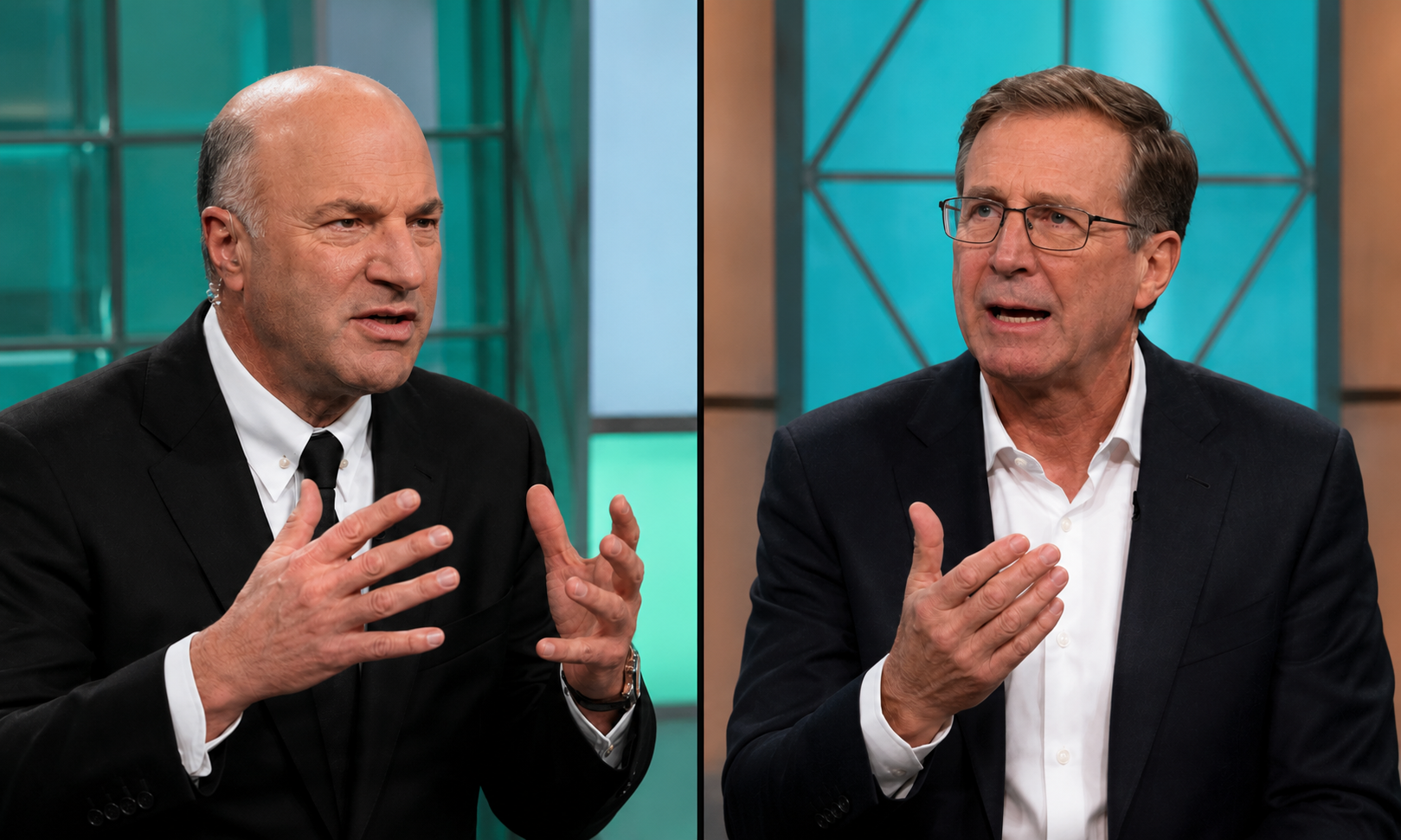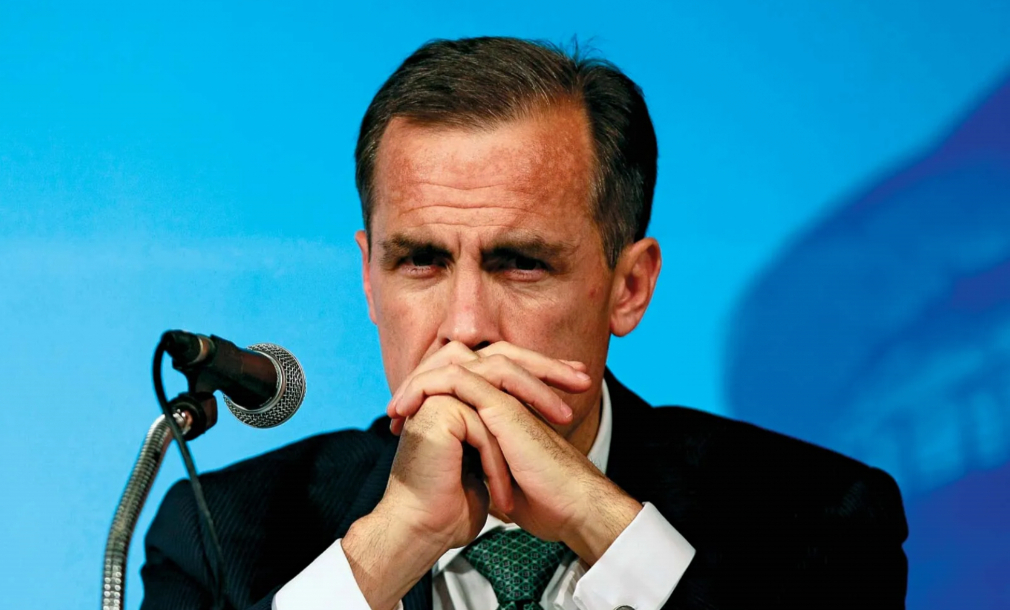

It is rare in Canada for an entrepreneur and a central bank governor to find themselves at the center of the same public debate. However, that is exactly what has happened in recent weeks.
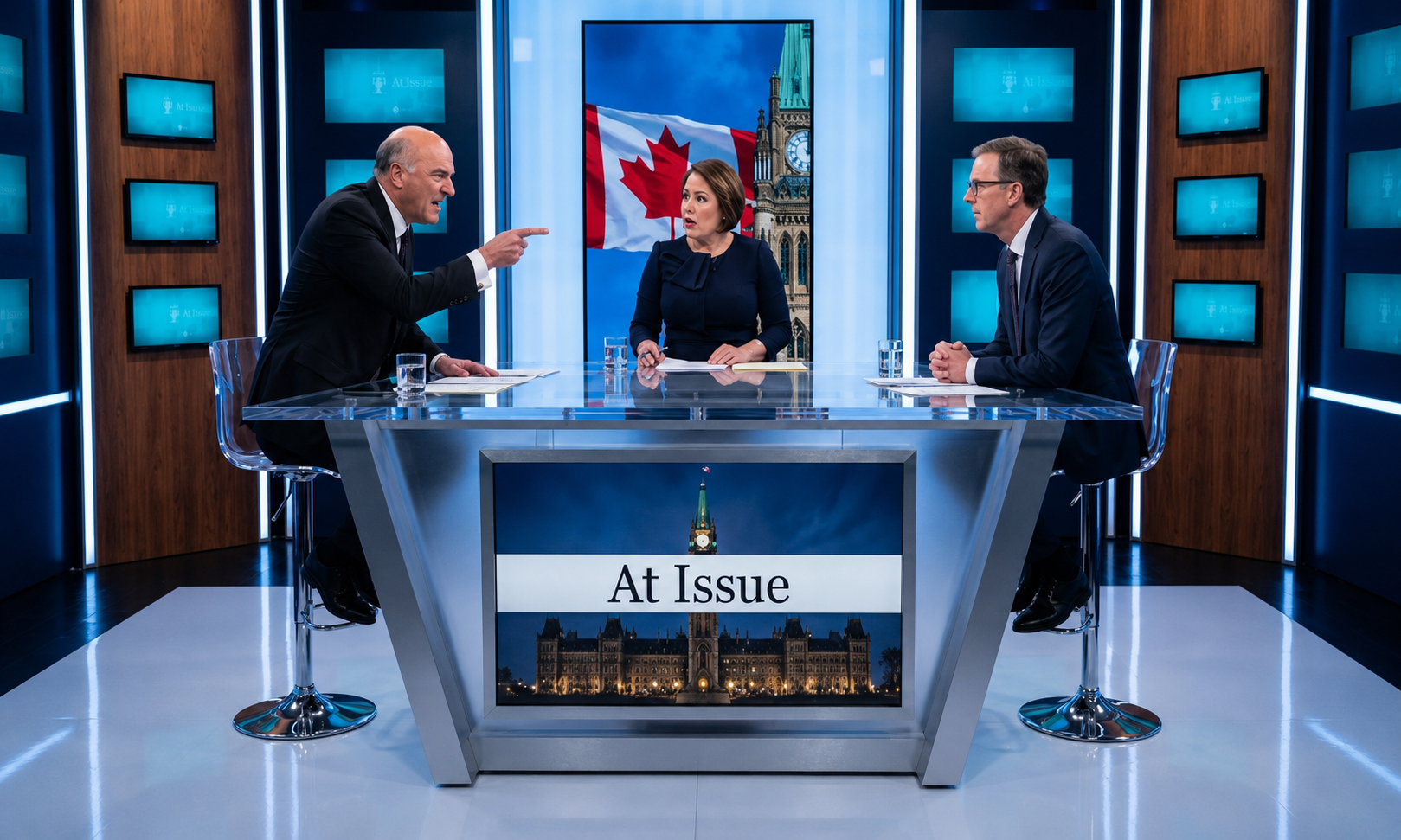
While the Bank of Canada continued to assess the state of the economy and inflation, renowned investor and TV host Kevin O’Leary once again spoke publicly about the country’s financial situation. As a result, the audience’s attention was drawn to two figures who view the same economic processes in different ways.
Different Approaches to the Same Problem
In his latest comments, Kevin O’Leary discussed the impact of interest rates on entrepreneurs, the real estate market, and the investment climate.
Almost simultaneously, Bank of Canada Governor Tiff Macklem explained why the central bank continues to take a cautious approach to monetary policy and is closely monitoring incoming economic indicators.
In recent years, economic news has ceased to be of interest only to financiers.
The cost of loans, mortgage payments, retail prices, and the inflation rate directly affect the daily lives of millions of Canadians.
Therefore, any public comments by prominent representatives of business and financial institutions today receive a much greater response than they did just a few years ago.
Commentators note that this is not so much a dispute between two individuals as it is a difference in approach.
Kevin O’Leary traditionally assesses the situation from the perspective of an entrepreneur and investor, focusing on business activity and the business environment.
Tiff Macklem, on the other hand, views current events through the lens of the financial system’s long-term stability and inflation control.
It is precisely this difference that has become one of the most discussed topics in recent days.
Financial analysts believe that such public discussions help provide a better understanding of why the Bank of Canada’s decisions are sometimes perceived differently by business leaders and economists.
Some argue for the need to stimulate economic growth.
Others believe that maintaining price stability should remain the top priority.
Despite their differing views, both sides agree on one thing: how the situation unfolds will depend on new economic data.
Why the Story Keeps Unfolding
Interest in this topic isn’t tied to any single statement.
Rather, it reflects the public’s broader interest in economic issues at a time when financial decisions affect virtually every Canadian family.
That is why every new statement by Kevin O’Leary and Tiff Macklem continues to be closely analyzed by both experts and ordinary citizens.
One thing remains clear: the conversation about the future of the Canadian economy is far from over, and attention to the positions of both sides is likely to continue in the coming months.