

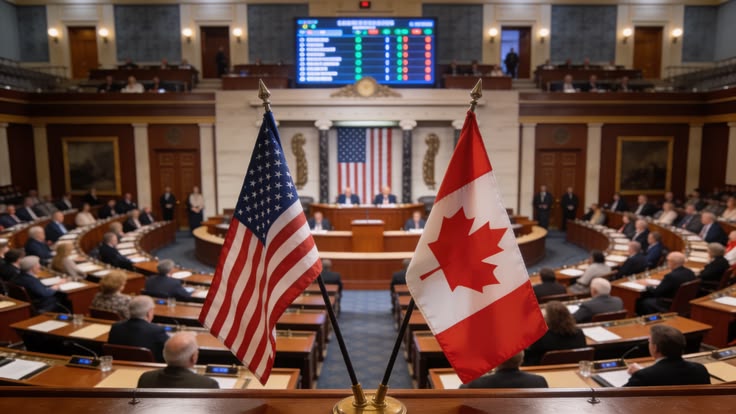
The Canadian Parliament has approved a set of measures designed to support small businesses across the country, reflecting ongoing efforts to foster economic growth, employment, and innovation. The legislation, passed with broad support, aims to provide financial assistance, regulatory relief, and technical guidance to small and medium-sized enterprises (SMEs).
Advertorial
Finance Minister Chrystia Freeland described the package as a comprehensive approach to strengthen the backbone of the Canadian economy. “Small businesses are vital to our communities, our economy, and our future,” she said. “These measures are designed to help entrepreneurs thrive while ensuring sustainable and inclusive growth.”
The program includes direct financial support in the form of grants and low-interest loans to businesses affected by recent economic fluctuations. Eligible businesses include those in manufacturing, technology, retail, and service sectors. The government intends for these funds to assist companies with operational costs, workforce development, and investments in modernization.
Regulatory relief is another central element. The legislation simplifies administrative processes for small businesses, reducing paperwork and easing compliance burdens. Streamlined reporting, digital submission options, and consolidated licensing procedures are intended to lower operational costs and enable business owners to focus on growth and innovation.
Technical assistance and advisory services are also part of the initiative. SMEs can access guidance on business planning, digital transformation, export strategies, and sustainable practices. The government highlighted that equipping businesses with knowledge and tools is critical for long-term competitiveness.
Provincial governments have expressed support for the measures, indicating that federal coordination helps ensure consistency and effectiveness. Municipalities are encouraged to identify local priorities and align funding with regional economic needs. Economic analysts suggested that integrated federal-provincial approaches maximize the impact of policy interventions.
Industry associations welcomed the legislation, noting that predictable support and clear guidelines help businesses plan for the future. Entrepreneurs emphasized the importance of accessible programs, particularly for startups and companies in emerging sectors. Officials acknowledged these concerns and indicated ongoing consultations to refine program delivery.
Small businesses are also expected to benefit from initiatives aimed at workforce development. Funding for employee training, skills enhancement, and professional certifications is included in the measures, helping companies adapt to changing market demands and technological advancements.